
- 1
- 2
- 2
- 3
Bwindi Impenetrable National Park
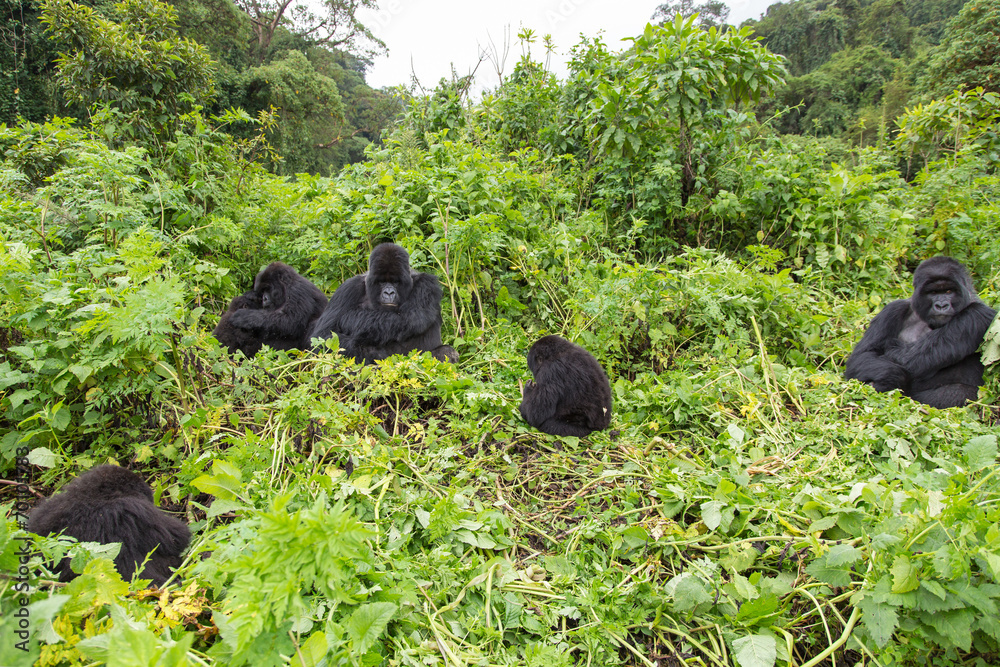
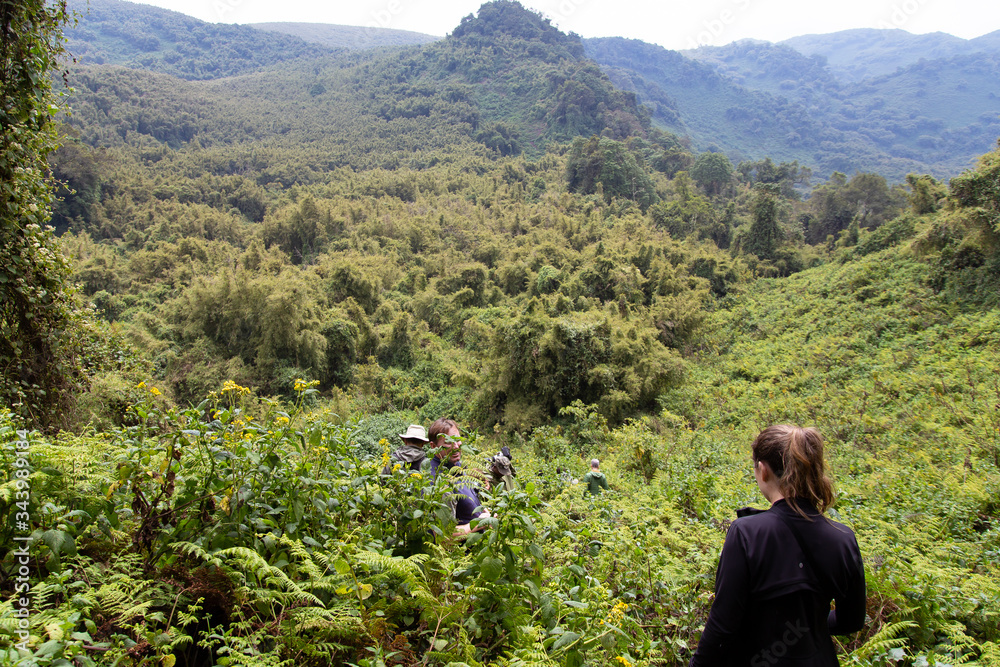
A UNESCO World Heritage Site draped over misty hills in southwestern Uganda, Bwindi is one of Africa’s last great montane rainforests and a stronghold for endangered mountain gorillas. Its name—“Impenetrable”—comes from the dense tangle of ancient trees, vines, and ferns that cloak steep ridges and deep valleys, creating a biodiverse sanctuary that feels timeless.
What makes it special
Gorilla capital: Home to one of the world’s largest populations of mountain gorillas, with several habituated families visited on ranger-guided treks.
Biodiversity hotspot: Lush Afro-montane forest harboring a rich array of wildlife, including L’Hoest’s monkeys, black-and-white colobus, forest duikers, and hundreds of bird species (notably Albertine Rift endemics like the African green broadbill and Rwenzori turaco).
Ancient forest: Some of Africa’s oldest rainforest, spanning elevations from roughly 1,160–2,600 meters, with waterfalls, clear streams, and panoramic ridge views.
Top things to do
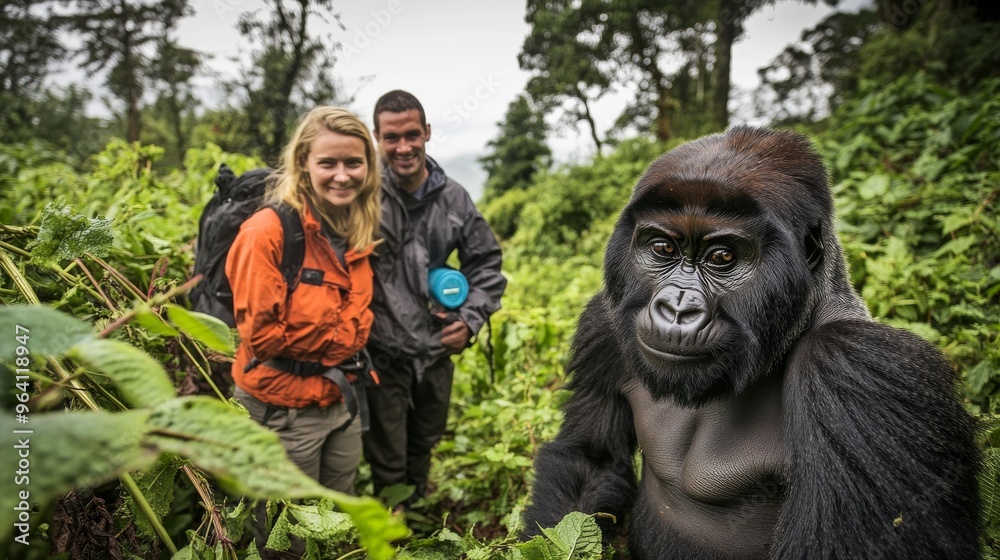
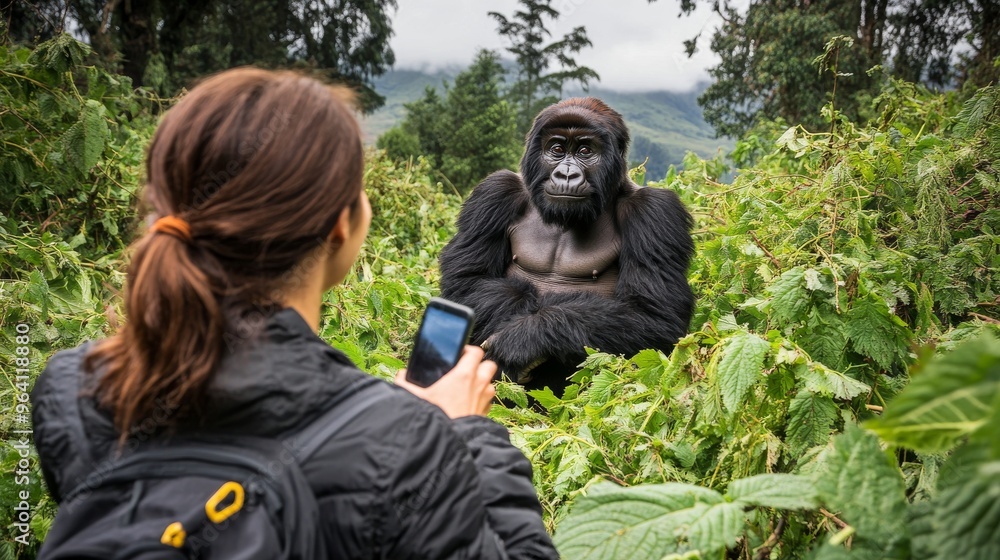
Gorilla trekking: Small groups hike to a habituated family, spending a magical hour observing them at close (but regulated) range.
Birding and nature walks: Trails around Buhoma, Ruhija, Rushaga, and Nkuringo sectors reveal rare birds, butterflies, and primates, plus waterfall walks.
Community experiences: Visit nearby communities for cultural encounters (including Batwa heritage experiences), guided village walks, and local coffee tours.
Planning essentials
Permits: A gorilla trekking permit is mandatory and limited—book well in advance through the Uganda Wildlife Authority or a trusted tour operator. Minimum age is typically 15; viewing lasts up to one hour; no trekking if you’re unwell.
When to go: Year-round, but drier months (June–August and December–February) usually mean easier hiking. Expect rain at any time.
Getting there: About 8–10 hours by road from Entebbe/Kampala. There are also scheduled light-aircraft flights to Kihihi (for Buhoma) and Kisoro (for Rushaga/Nkuringo). A 4×4 is recommended.
What to pack: Waterproof hiking boots, gaiters, long sleeves/trousers, rain jacket, gardening gloves (for vines), insect repellent, reusable water bottle, snacks, and a camera (no flash). Consider hiring a porter for comfort and to support local livelihoods.
Sectors and gateways
Buhoma (north), Ruhija (east), Rushaga (south), and Nkuringo (southwest) are the main trailheads, each with nearby lodges and varying trek profiles. Lake Mutanda (near Kisoro, outside the park) offers serene post-trek relaxation and canoeing.
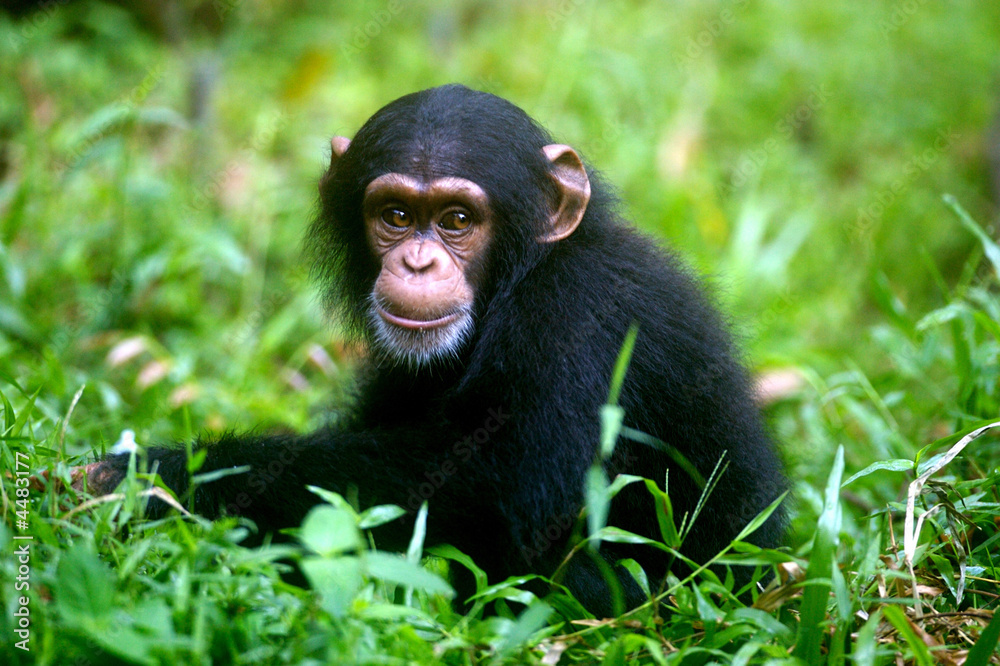
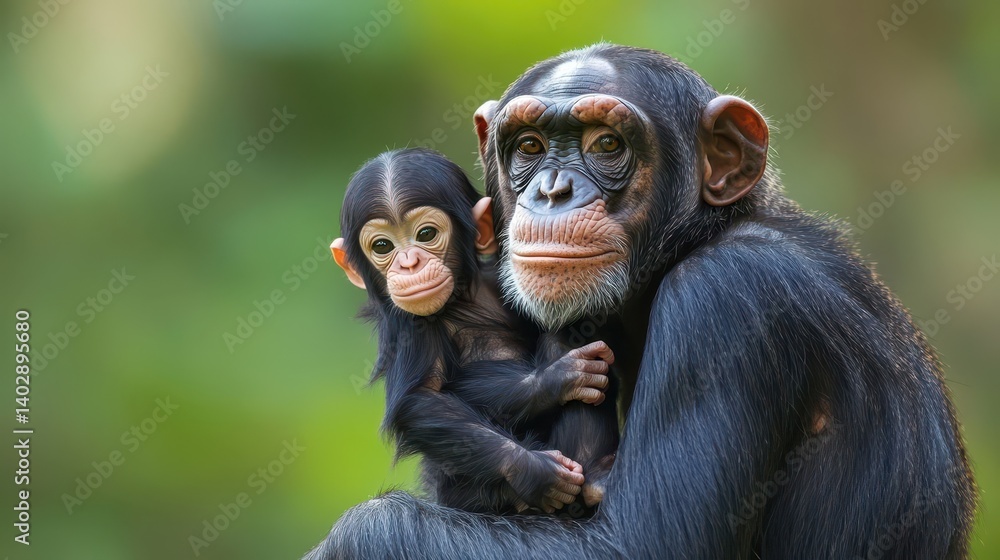

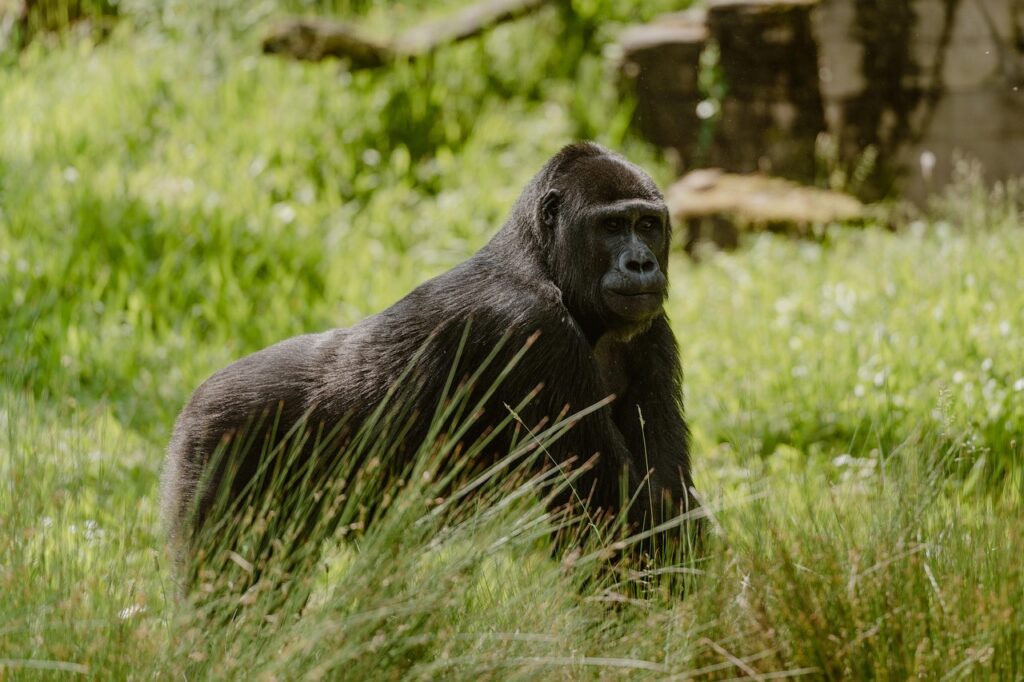
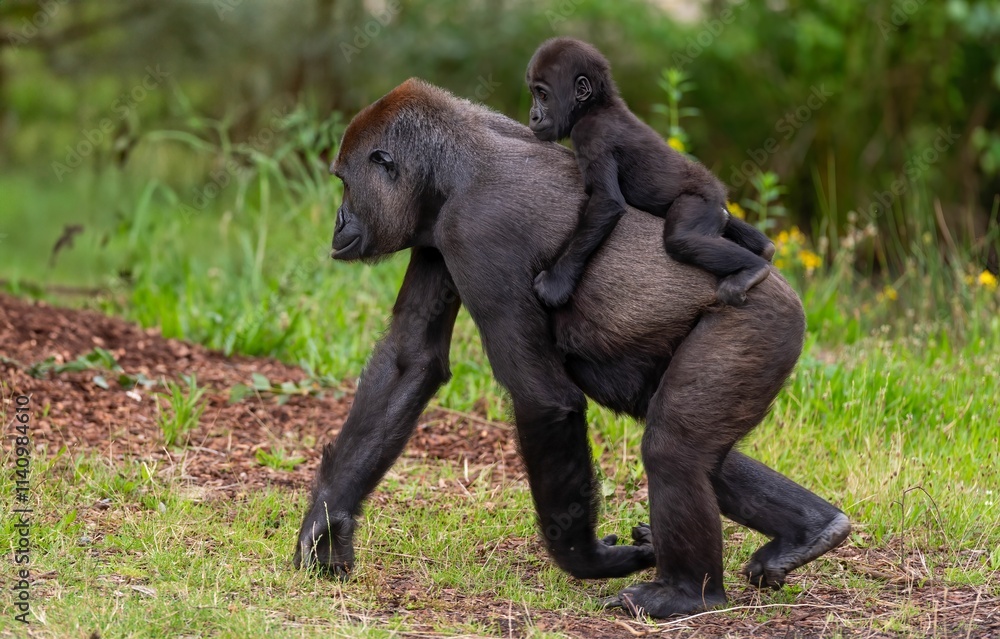
This 4-day safari combines the thrill of tracking mountain gorillas in Bwindi Impenetrable National Park with the adventure of chimpanzee trekking in Kibale Forest National...
Bwindi Impenetrable National Park
1 People
Duration
4 Days
$2,749.00
Next Departures
March 15, 2026 (Available)March 16, 2026 (Available)March 17, 2026 (Available)
This 3-day safari takes you to Bwindi Impenetrable National Park or Mgahinga Gorilla National Park, home to the endangered mountain gorillas. Besides gorilla trekking, these...
Bwindi Impenetrable National Park
1 People
Duration
3 Days
$2,200.00
Next Departures
March 15, 2026 (Available)March 16, 2026 (Available)March 17, 2026 (Available)